
To EV or not to EV
Like everyone else in the world at the moment, we’re looking at the price of petrol as it smashes records thanks to the bruhaha in the middle east, and then looking longingly over at the EV world.
My situation does tend to complicate things though.
The biggest issue for me is the fact that I SHOULD be using a power chair a lot more than I am. Thanks to hyper-mobility in my shoulders (what is a cool, but disgusting party trick when you’re a kid WILL come back to bite you), using a manual chair outside of the house should be only as backup, not the norm.
This is the chair I use.
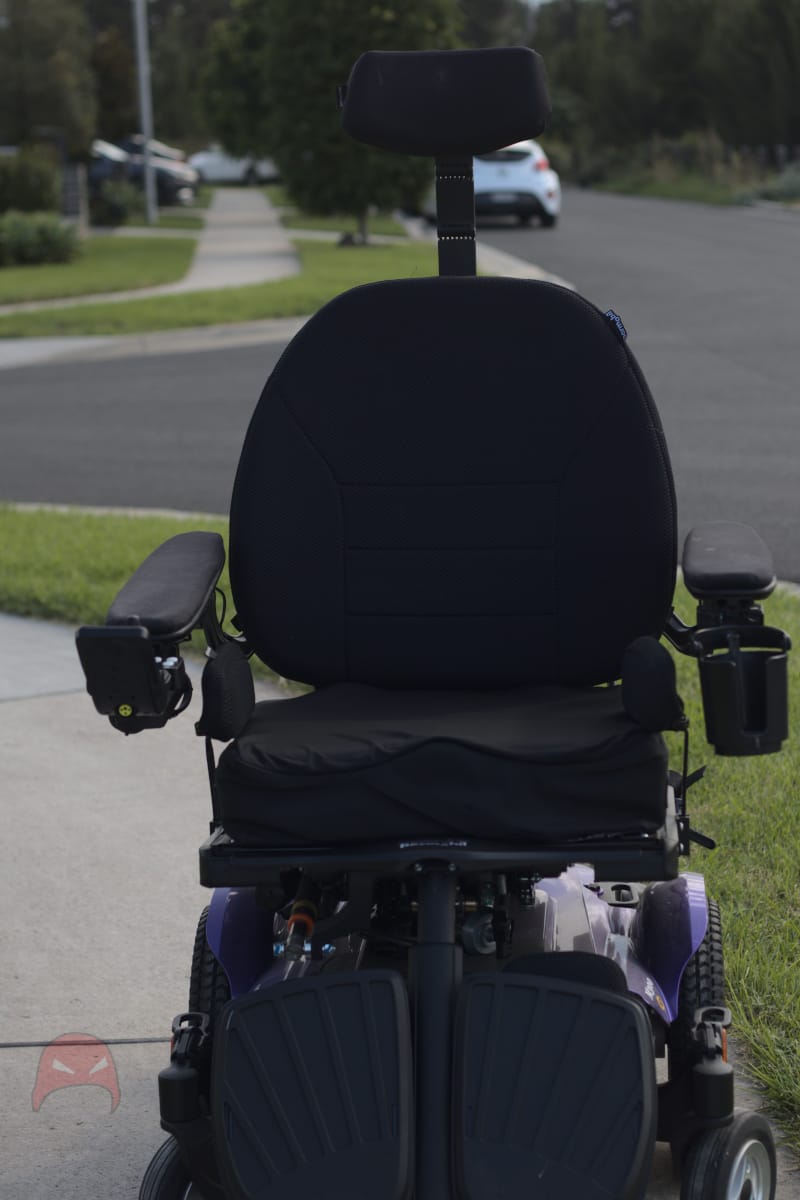
As you can see the chair is big, bulky and doesn’t fold neatly into a small package (I’m 194cm and above 100kgs so it needs to be a bit more structural). This means that if I want to take it anywhere I need a vehicle that’s big enough to hold it and a way to get the chair into that vehicle.
We’re currently using a 2005 Nissan El Grande to get around, however we can’t get the power chair into it because it doesn’t have a ramp or lift. The NDIS won’t cover conversions of vehicles unless they’re pretty much brand new (the oldest they say they’ll cover is between 3 and 5 years old). It’s been a great vehicle, and its carrying capacity has allowed us to take all the equipment I need to go on overnight trips.
But it runs on petrol and it uses a lot, which means that cost to run goes up over time(especially during an oil crisis).
So when it comes to looking for an EV, whether it can be converted to be able to deal with the chair filters out a lot of whats on offer in the market, being made up mainly of sedans and smaller SUVs.
While the range of Electric People Movers is slowly growing, they all suffer from the same issue, a lack of space. EV’s have large batteries in the floor, making it difficult to do things like lower the floor, or install equipment like ramps of lifts. Throw in the smaller cargo spaces and basically it’s a non starter.
There is the option of going with a cargo van. There’s plenty of space, but then you’ve got lower range, fewer safety options and I don’t even know if the NDIS would cover the conversion.
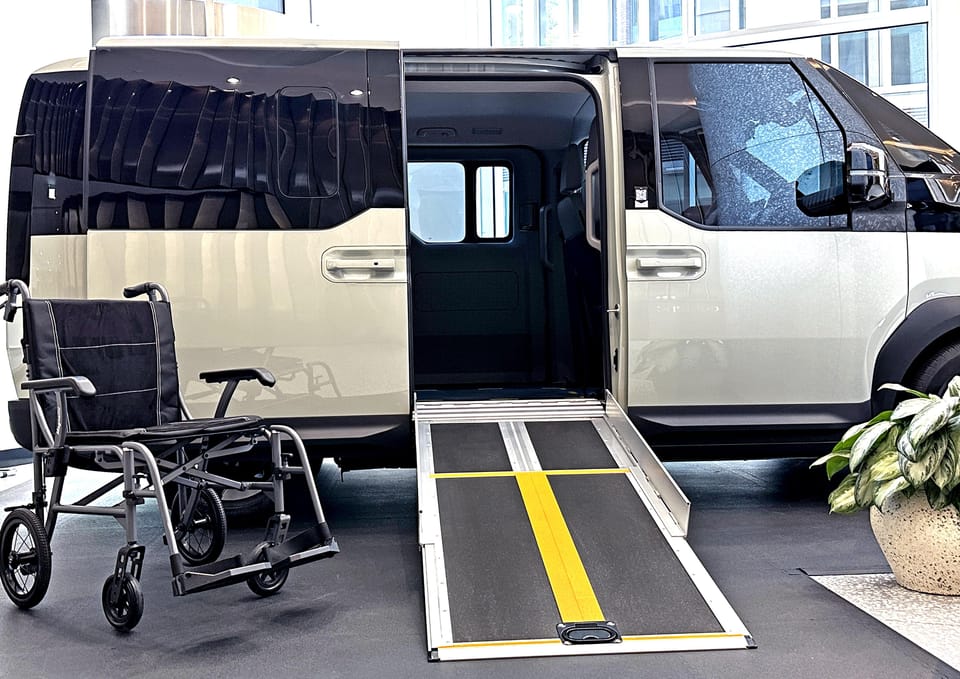
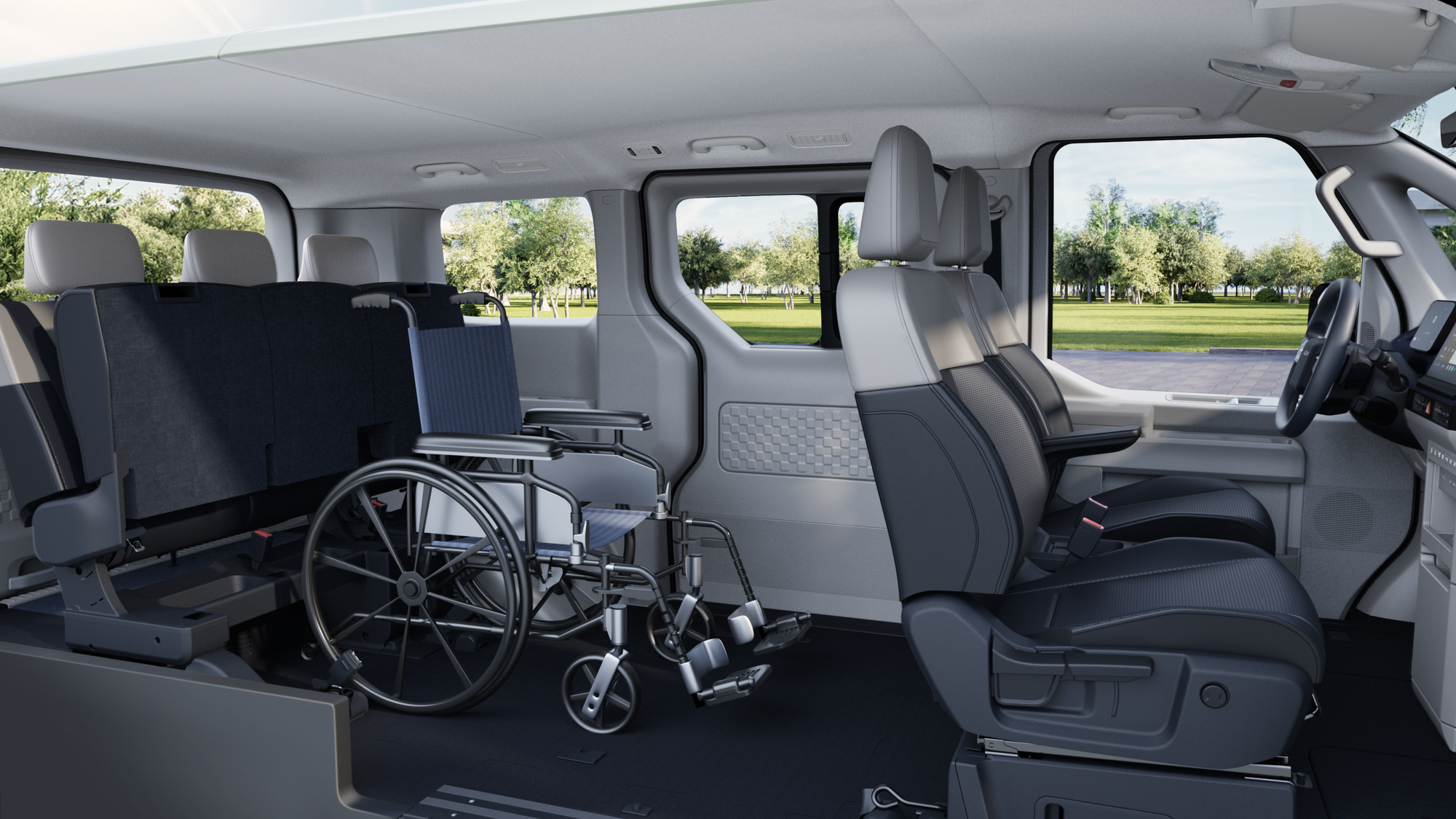
Kia has bucked the trend with a dedicated wheelchair accessible version of their new PV5 Platform. With a side entry and ramp, and flippable third row seats, they’ve actually put some thought into the design. The only problem is the PV5 WAV isn’t coming to Australia any time soon.
Sigh.
The other alternative we have, is a carrier for the chair, something like this.
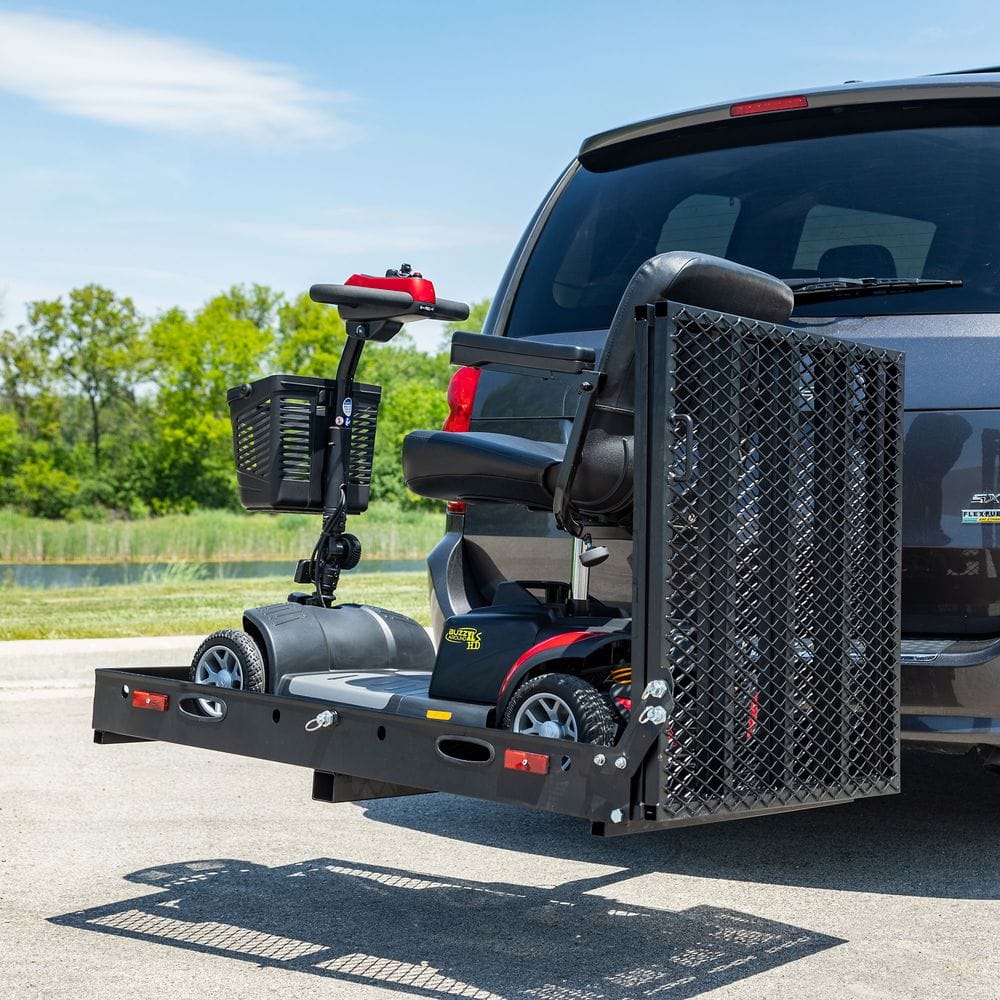
Basically it gets attached to the back of the vehicle, and towed. There are a couple of issues with this approach. Firstly, it means I can't travel in the chair if I need to. If at any point I'm unable to transfer for whatever reason, then I'm a bit stuck. Secondly it means that the chair is both open to the elements (though you can get covers for them) and more vulnerable to damage.
Ideally I would love to get an EV as our next vehicle, but if we wanted to replace what we have now? It’s just not happening.
Do you have mobility issues and are looking at an electric vehicle? I'd love to hear more about what others are doing in this space.

